
Safa and Marwa are two small hills that are significant in Islamic history and are associated with the ritual of Sa’i, performed during Umrah and Hajj. All pilgrims are required to follow the ritual of running between Safa and Marwa to complete their Umrah and Hajj journey. Even Prophet Muhammad (PBUH) and his companions also performed this ritual during the Farewell Hajj. Scroll below to learn the story and significance behind these two hills in Islam.
Table of Contents
ToggleWhere are Safa and Marwa located?

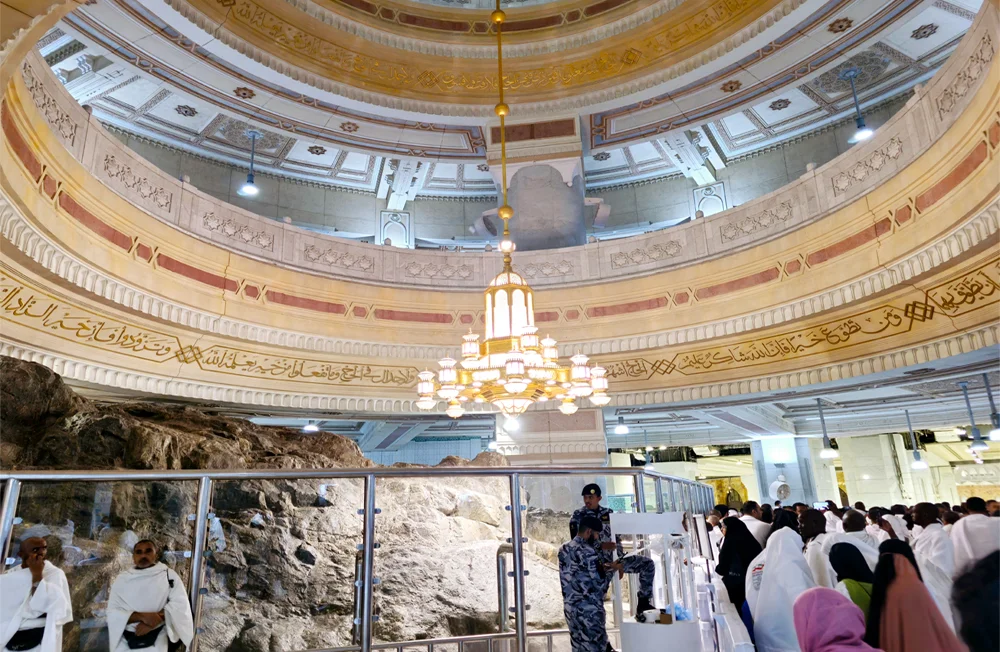
Safa and Marwa are two small hills, and both of them are located inside Masjid al-Haram in Makkah, Saudi Arabia. Both the hills lie adjacent to the Kaaba and are connected by a long, air-conditioned multilevel walkway called Masa’a. Pilgrims performing Sa’i are seen to walk between the hills Safa and Marwa.
Distance Between Safa and Marwa
The distance between Safa and Marwa is around 350 meters to 450 meters. In order to complete the ritual of Sa’i, the pilgrims need to cover around 3.15 kilometres.
Historical Story Behind Safa and Marwa in Islam

The story behind the designation of Safa and Marwa as a significant pilgrimage site centres on the motherly love of Bibi Hajra (AS) for her son, Hazrat Ismail (AS). As the story goes, under the command of Allah (SWT), Prophet Ibrahim (AS) left his wife Hajar and infant son Ismail under a tree in the barren desert of Makkah, with a waterskin and a few provisions. Ibrahim then recited the following supplication.
“رَّبَّنَا إِنِّي أَسْكَنتُ مِن ذُرِّيَّتِي بِوَادٍ غَيْرِ ذِي زَرْعٍ عِندَ بَيْتِكَ الْمُحَرَّمِ رَبَّنَا لِيُقِيمُوا الصَّلَاةَ فَاجْعَلْ أَفْئِدَةً مِّنَ النَّاسِ تَهْوِي إِلَيْهِمْ وَارْزُقْهُم مِّنَ
الثَّمَرَاتِ لَعَلَّهُمْ يَشْكُرُونَ ❁”
Which means, our Lord, I have settled some of my descendants in an uncultivated valley near Your sacred House, our Lord, that they may establish prayer. So make hearts among the people incline toward them and provide for them from the fruits so that they may be grateful.
After the water ran out, Hajjar searched desperately for water in the desert. While searching, she ran between the hills of Safa and Marwa seven times to attain a better view of the area and seek out passing travellers. When she returned to check on her son, she heard a voice that turned out to be that of the angel Jibril, who struck the ground with his wing to bring water, thereby saving both lives and strengthening her trust in Allah. She later dug a well around the spring, which later came to be known as the Well of Zamzam.
Read Also: History of Kaaba
What is Sa’i?

Sa’i is an obligatory ritual of walking seven times between Safa and Marwa during both Umrah and Hajj. This ritual is performed to commemorate Hajar’s search for water in the desert for her son, Ismail. The ritual starts at Sawa and ends at Marwa. As stated in the second chapter of the Quran (Surah Al-Baqarah, 2:158)
نَّ الصَّفَا وَالْمَرْوَةَ مِنْ شَعَائِرِ الله ❁ ۖ فَمَنْ حَجَّ الْبَيْتَ أَوِ اعْتَمَرَ فَلَا جُنَاحَ عَلَيْهِ أَن يَطَّوَّفَ بِهِمَا ۚ وَمَن تَطَوَّعَ خَيْرًا فَإِنَّ اللهَ شَاكِرٌ عَلِيمٌ ❁
Which means, indeed, Safa and Marwa are among the symbols of Allah. So whoever performs Hajj to the House or performs Umrah, there is no blame upon him for walking between them. And whoever volunteers good, then indeed, Allah is appreciative and knowing.
How to Perform Sa’i?

Sa’i is being performed by following the steps below:
- Be in Ihram and complete Tawaf around the Kaaba first.
- Perform wudu and make the intention (Niyyah) to perform Sa’i for the sake of Allah.
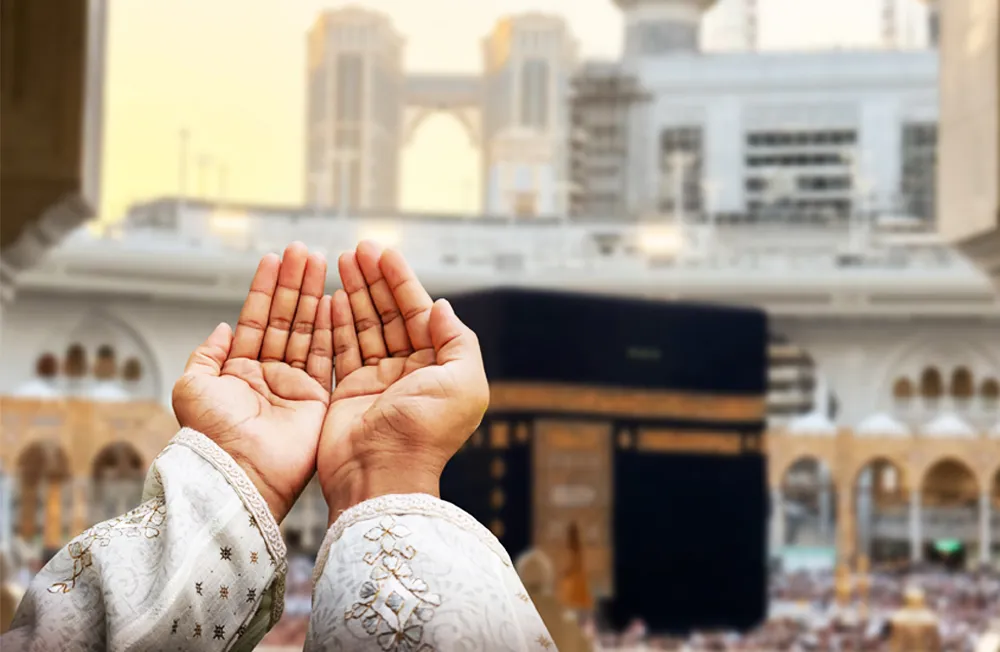
- Start from Safa, while raising your hands in supplication and make personal dua’s.
- Walk towards Marwa while reciting supplications, dhikr or verses from the Quran.
- Upon reaching Marwa, face the Kaaba and make dua to complete one lap.
- As you head towards Sawa, you will see green lights, where men must run or jog, while women walk at a normal pace.
- Follow the above steps to complete seven laps.
- After reaching Marwa, make the final supplication.
Difference Between Sa’i in Hajj and Umrah

Here are some differences between Hajj and Umrah in terms of performing Sa’i.
In Umrah
- Sa’i is one of the four main rites of Umrah, which proceeds with Ihram, Tawaf, Sa’i and then shaving or trimming hair to exit Ihram.
- Sa’i is performed immediately after Tawaf during the same short visit.
In Hajj
- Sa’i is [art of a longer set of rituals that include standing at Arafat, Muzdalifah, Mina, stoning Jamarat and sacrifice.
- Depending on the type of Hajj, Sa’i can be performed either during Umrah before Hajj and/or again during Hajj.
Read Also: Difference Between Hajj and Umrah
Spiritual Lessons Learned from Safa and Marwa

The spiritual lessons to learn from the story of Safa and Marwa are:
- Active perseverance
- Unwavering faith and reliance on Allah (Tawakkul)
- Strength of motherhood and sacrifice
- Divine mercy and providence
- Humility and self-reflection
- Persistence during hardship
Conclusion:
Safa and Marwa are considered sacred hills in Islam and stand as symbols of faith and devotion to Allah. The ritual of Sa’i is performed by walking between these two hills in remembrance of Hajar’s (AS) desperate search and honouring her devotion and reliance on Allah (SWT).
CallforUmrah offers you a wide array of packages to help complete your Umrah and Hajj ritual in a hassle-free manner. Feel connected to Allah and receive His divine blessings as you complete your Sa’i ritual.
FAQs
Yes, Sa’i is a compulsory ritual for Umrah and Hajj.
One needs to start Sa’i from Safa and end at Marwa.
Wudu is recommended but not mandatory during Sa’i.
Yes, Sa’i can be performed at any time, day or night.
Yes, Safa and Marwa are mentioned in the Quran in Surah Al-Baqarah (2:158).
Yes, disabled or elderly pilgrims can perform Sa’i with the help of electric carts and wheelchairs.
Men jog between the green lights to symbolically follow Hajar’s hurried search.
It takes approximately 7 to 10 hours to fly from the UK to Saudi Arabia.
UK pilgrims can stay in Saudi Arabia for Umrah for up to 90 days.
There are no fixed duas to be recited during Sa’i.