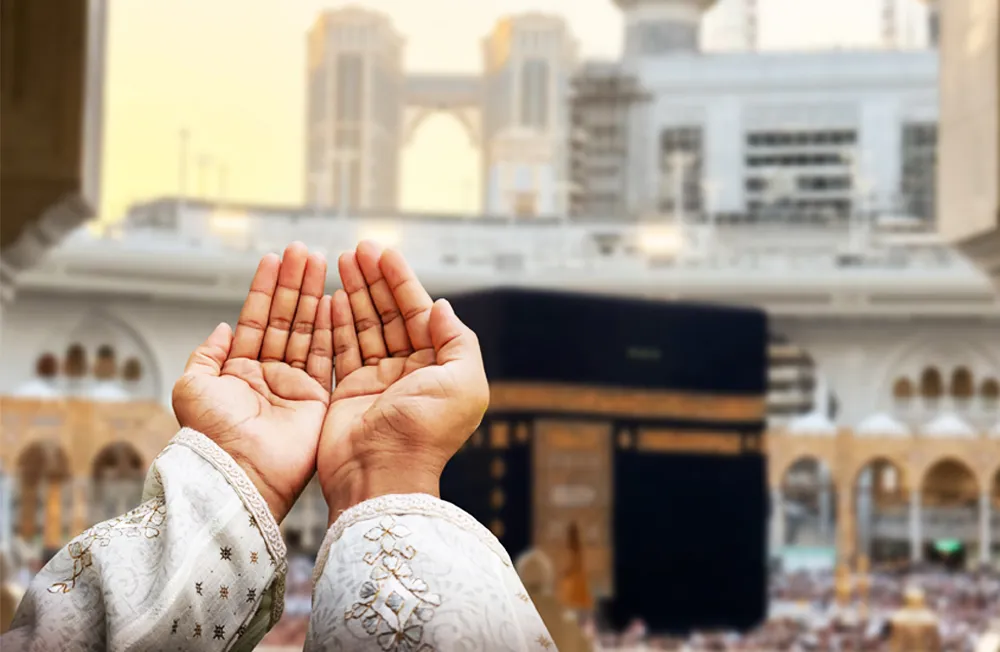

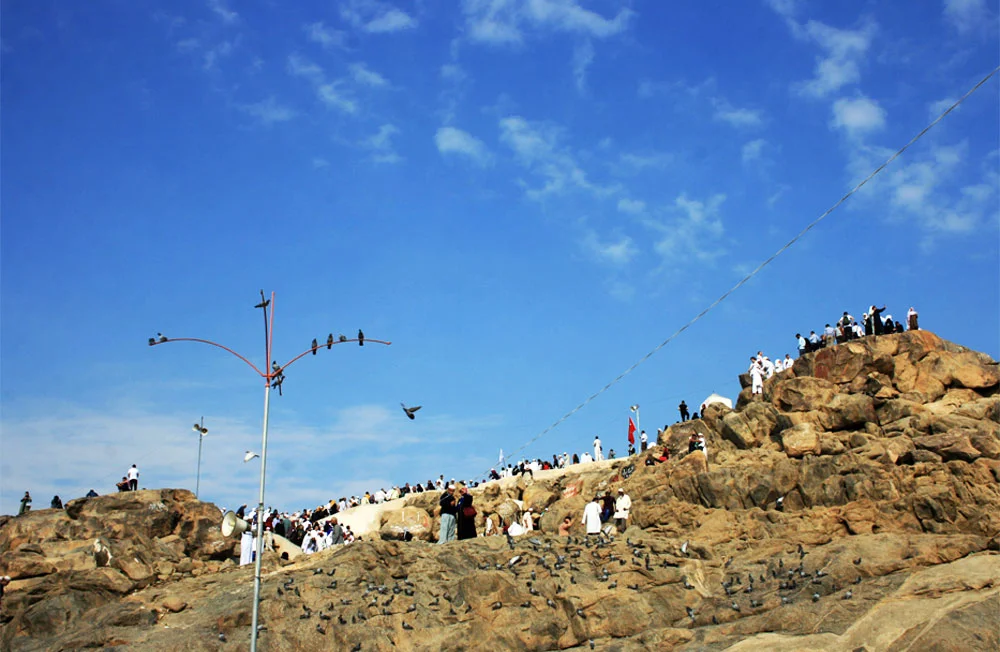
Mount Arafat, also called Jabal al-Rahmah (the Mount of Mercy), a 70-meter-high granite hill, is a significant Islamic site located on the eastern side of Arafat. It plays a vital role in attracting Hajj pilgrims each year. UK Muslims planning to perform Umrah or Hajj this year must learn about Mount Arafat to deepen their spiritual journey.
Table of Contents
ToggleWhere is Mount Arafat Located?

Mount Arafat is located in Arafat, around 20 kilometres east of Makkah, Saudi Arabia. Set on the boundaries of Muzdalifah and Mina, this mountain stands on the road between Taif and Makkah, marking a space that is secured exclusively for performing a profound act of Islam, Wuquf.
Historical Significance of Mount Arafat

Mount Arafat is a historically significant place in Islam, with an immersive spiritual depth. The significance is not associated with the granite mountain but the incident that took place on it. The mountain is addressed as Jabal al-Rahmah, because in the early history of humankind, Prophet Adam and Hawwa (Eve), after being banished from Jannah and sent to earth, were reunited here, making the mountain the symbol of divine mercy, forgiveness and repentance.
Back in 632 CE at this very place, Prophet Muhammad (PBUH) delivered the Farewell Sermon, Khutbah al-Wada, during His final Hajj, hajjat ul-Wada, addressing all Muslim pilgrims who accompanied him. The Prophet (PBUH) had stated the following:
ٱلْيَوْمَ أَكْمَلْتُ لَكُمْ دِينَكُمْ وَأَتْمَمْتُ عَلَيْكُمْ نِعْمَتِى وَرَضِيتُ لَكُمُ ٱلْإِسْلَـٰمَ دِينًۭا
Which means, “This day, I have perfected for you your religion and completed My favour upon you and have approved for you Islam as religion”.
Moreover, at the time of delivering the Farewell Sermon, the Prophet (PBUH) laid down some of the timeless principles followed to date, comprising upholding human dignity, honouring and respecting the rights of women, avoiding economic inequality, avoiding discrimination based on status or race and holding true to the teachings of Islam.
Religious Significance of Mount Arafat in Islam

Mount Arafat holds unmatched religious significance in Islam and is called the heart of the Hajj pilgrimage. Prophet Muhammad (PBUH) said, “Hajj is Arafat”, as pilgrimage is incomplete without standing (Wuquf) at Mount Arafat. Here, pilgrims offer duas that are accepted and sins forgiven by Allah. On the 9th of Dhul Hijah, Wuquf at Arafat takes place here, where from noon till sunset, pilgrims gather here in repentance, remembrance and offer prayer.
On Yawm al-Arafah, a highly sacred day in Islam, which falls on the 9th of Dhul Hijjah, just a day before Eid al-Adha, when pilgrims gather at Mount Arafat for prayer, repentance and supplication, highlighting the Day of Judgment. It is believed that the pilgrims reconnect with Allah through one of the most significant acts in Islam. Pilgrims spend noon to sunset performing dua, tawbah and reflection on Arafat’s plain for spiritual renewal, seeking mercy.
Interesting Facts About Mount Arafat

Some interesting facts about Mount Arafat before setting out on your sacred journey:
- Mount Arafat is inhabited only once a year, despite its immense importance.
- The Prophet (PBUH) did not climb to the top of Mount Arafat during his Hajj.
- It is believed that Angel Jibril demonstrated Hajj to Prophet Ibrahim while floating around the sacred hill.
- Wuquf occurs on the surrounding plain of Mount Arafat and not on its summit.
- The white pillar on top of Mount Arafat marks the spot where the Prophet (PBUH) delivered his Farewell Sermon.
Tips for Pilgrims visiting Mount Arafat

Here are some useful tips for pilgrims going to Mount Arafat:
- Arrive early at Mount Arafat to secure a good spot for praying.
- Carry an umbrella to protect yourself from the sun.
- Wear comfortable sandals and avoid being barefoot.
- Carry only essentials, such as water, medication, identification, and more.
- If you are with a group, then stick with them.
- Prepare your duas in advance.
- Collect pebbles before you start moving to Muzdalifah.
- Be patient and kind to your fellow pilgrims.
- It is not mandatory to climb or touch the mountain.
Conclusion:
Mount Arafat is more than a landmark; it is the spiritual heart of Hajj, testifying to humanity’s return to Allah. From Prophet Adam’s forgiveness to Prophet Muhammad’s (PBUH) Farewell Sermon. This site is a true pilgrimage destination where pilgrims come to seek eternal reward. Book your next journey with CallforUmrah to avoid any hassle and focus on performing the prescribed rituals.
FAQs
Mount Arafat is called the Mountain of Mercy because Adam and Hawwa reunited and received Allah's forgiveness.
No, Hajj is not considered valid unless you have visited Mount Arafat and performed Wuquf.
Prophet Muhammad (PBUH) delivered his farewell Sermon at Mount Arafat.
Yes, non-Hajj Muslims gain benefit by visiting Mount Arafat by fasting.
Yes, both the Day of Arafah and Mount Arafat are related, as Wuquf is performed on the plain of Mount Arafat.
9th Dhul Hijjah is considered the Day of Arafah, when from noon to sunset, pilgrims perform dua and tawbah.
No, standing within the boundaries of Mount Arafat is compulsory during Hajj.
Masjid Namirah is located near Mount Arafat.
UK Muslims should prepare themselves for heat, crowds and long hours of standing before visiting Mount Arafat.
Yes, pilgrims gathering at Mount Arafat signify the Day of Judgement, reminding them of accountability, repentance, and Allah’s mercy.